- info@irgindia.org
- +91 98109 90931

- +91 11 4904 5353
- E-34, LGF, Greater Kailash Enclave-II, New Delhi -110048
- info@irgindia.org

Project Pratyusha
Project Pratyusha
Project Location: Solan District, Himachal
(PRomoting Ayurvedic medicines, Traditional grains and AYUSH Ahar)
Donor: Nestle R&D
Overview:
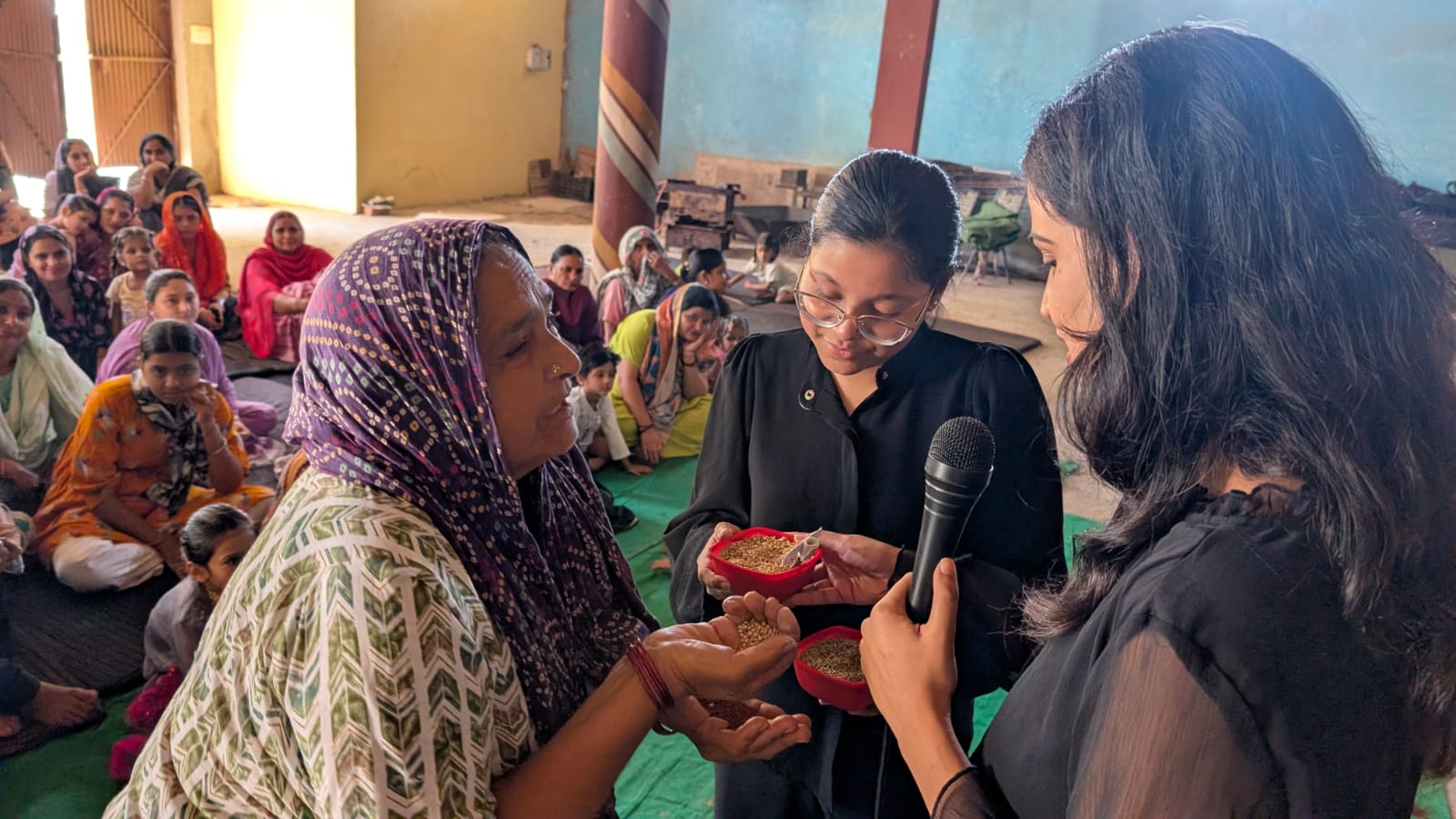
The PRATYUSHA Project is focusing on improving the nutritional status and quality of life of adolescent boys and girls, young men and women in India by improving their knowledge, acceptance, and use of traditional Indian ancient grains, Ayurvedic medicines and Ayush Aahar.
Project Objectives:
a) Enhance Awareness and Knowledge – To improve understanding of the health benefits of ancient Indian grains, Ayurvedic medicines, and AYUSH Aahar among adolescents and adults—both men and women—in selected communities of Solan district, Himachal Pradesh.
b) Understand Predisposing Factors – to explore the demographic, social, attitudinal and belief-based factors that influence the consumption of Ayurvedic medicines and traditional Indian grains.
C) Identify Enabling Factors and Measure Impact – to identify the resources, opportunities and barriers that affect the use of Ayurveda and ancient grains, and to assess the effectiveness of KAP- based interventions by evaluating changes in knowledge, attitudes, and
practices within the community.
Target Populations-
Adolescent boys and girls, young men and women
Implementation Strategies
Baseline KAP Survey: Conducted using Andersen’s Behavioural Model; participants selcted from 3 urban wards and 10 villages in Baddi based on urban–rural ratio (1:3).
Capacity Building: Two-day training for project implementers on AYUSH principles, traditional grains, and community facilitation, conducted with
AYUSH clinics and experts.
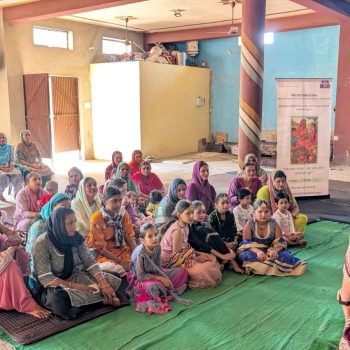
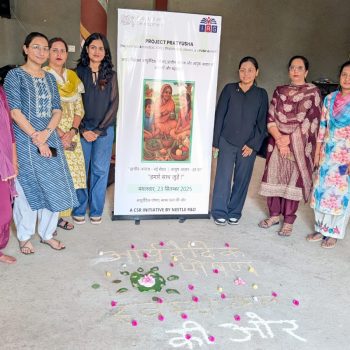
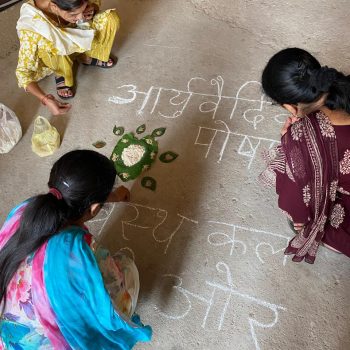
Community-Based Activities: Age- and gender-stratified group sessions using IEC tools; street plays, school activities, recipe demos, and digital awareness campaigns on AYUSH Aahar and healthy diets.
Stakeholder Engagement: Interactive discussions with frontline workers, SHGs, village leaders, and other community groups on AYUSH Aahar and traditional grains.
AYUSH Corners in Schools: Setting up AYUSH Mandirs with books and learning materials to build awareness and encourage long-term healthy dietary habits using AYUSH practices and traditional grains.
Session Delivery: Four sessions per group per month; interactive 60–75 min sessions in Hindi/local dialect with spaced reinforcement for sustained behaviour change